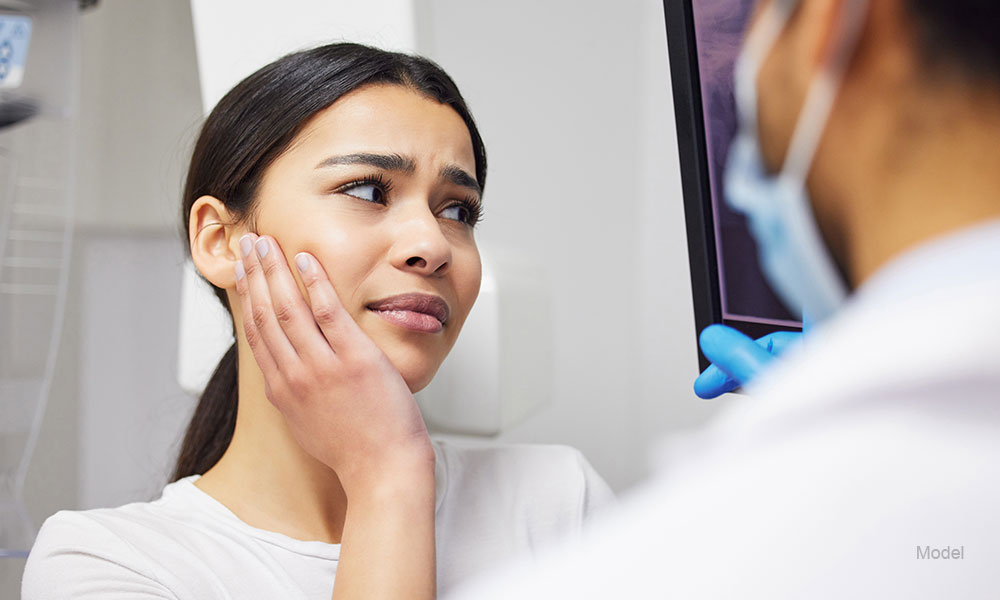
Dental problems don’t always announce themselves as emergencies. A tooth may hurt for a few days before the pain becomes unbearable, or a small crack may go unnoticed until the tooth suddenly breaks while you’re eating. Knowing which symptoms require prompt dental evaluation can help you avoid unnecessary pain and potentially more extensive and costly treatment.
If you’re unsure whether your dental issue can wait for your next routine appointment, contact your dentist’s office and describe your symptoms. The dental team can help determine how soon you should be seen and guide you on what to do in the meantime.
Important: If you are experiencing a medical emergency, seek emergency medical care or call 911. Symptoms such as difficulty breathing or swallowing, significant facial or jaw trauma, or uncontrolled bleeding require immediate medical attention. Significant facial swelling, particularly when accompanied by fever or other signs of infection, also requires prompt evaluation. Once the immediate medical emergency has been addressed, follow up with your dentist for appropriate dental treatment.
8 Min Read:
Table of Contents
- What Are the Signs You May Need Immediate Dental Treatment?
- How Soon Can I Receive Emergency Dental Care?
- What Should I Do While Waiting for Emergency Dental Care?
- How to Prevent Dental Emergencies
- When Should I Call a Dentist About My Symptoms?
What Are the Signs You May Need Immediate Dental Treatment?
If you are dealing with pain, bleeding, a broken tooth, or another sudden dental problem, you may be wondering whether you need immediate dental treatment and what actually counts as a dental emergency.
Signs that indicate you may need emergency dental care include:
- Severe or persistent tooth pain
- Severe or persistent sensitivity to hot or cold
- A cracked, fractured, or broken tooth
- A knocked-out, severely loosened, or partially dislodged permanent tooth
- New or worsening swelling in the gums, face, or jaw
- A dental abscess or signs of infection
- Uncontrolled bleeding from the mouth
- A lost filling, crown, or other dental restoration
- Pain or difficulty when biting or chewing
- A dental injury following a fall, accident, or sports-related impact
Other symptoms, such as a bad taste in your mouth, drainage around a tooth or gums, or a pimple-like bump on the gums, may also indicate a dental infection that should be evaluated promptly.
You don’t need to be in extreme pain to have a dental emergency. For example, a cracked tooth may cause only mild discomfort but can continue to fracture with repeated pressure. Similarly, a dental infection may develop before significant swelling or pain occurs.
When in doubt, contacting your dentist is the safest way to determine whether your symptoms require immediate attention.
How Soon Can I Receive Emergency Dental Care?
The right timing for emergency dental treatment depends on the severity of your symptoms. Some dental problems require immediate evaluation, while others may be appropriate for a next-day appointment.
Gentle Care Dentistry reserves specific appointment times to accommodate most dental emergencies the same day or the next day.
If you have severe tooth pain, swelling, a broken tooth, or another concerning symptom, call Gentle Care Dentistry rather than waiting to see if the problem improves on its own. Our team can discuss your symptoms and help determine how quickly you should be evaluated.
What Should I Do While Waiting for Emergency Dental Care?
While you’re waiting to be seen, follow any instructions provided by your dental team and avoid chewing on the affected area. Depending on your symptoms, you may be advised to rinse your mouth with warm water or apply a cold compress to the outside of your face to help reduce swelling until your appointment.
What to do if a permanent tooth is knocked out
A knocked-out permanent tooth requires immediate dental care. Contact your dentist right away and, ideally, receive treatment within 30 minutes of the injury. You should still seek treatment even if more time has passed.
To help protect the tooth:
- Handle it by the crown: Pick up the tooth by the crown, or chewing surface, rather than the root.
- Rinse it gently if necessary: If the tooth is dirty, gently rinse it with water. Do not scrub it or use soap or chemicals.
- Reposition the tooth if possible: Gently place the tooth back into its socket without touching the root.
- Keep the tooth moist: If you cannot reposition the tooth, keep it moist by placing it in milk or an emergency tooth-preservation product and bring it with you to your appointment. Do not allow the tooth to dry out or store it in regular tap water for an extended period.
- See your dentist immediately: Prompt treatment may improve the chances of saving the tooth.
How to Prevent Dental Emergencies
Not every dental emergency can be prevented. Accidents, sports injuries, and other unexpected events can happen at any time, even when you take excellent care of your teeth. Beyond accidents, though, consistent preventive care can reduce your risk of many common dental problems.
Get Regular Checkups
Schedule—and keep—routine checkups and professional cleanings. These allow your dentist to identify cavities, gum disease, worn restorations, and other issues before they become urgent. Problems detected early are often easier to treat than those that have been allowed to progress.
Practice Good Oral Hygiene
Good oral hygiene at home is equally important. Brush your teeth at least twice a day with fluoride toothpaste and clean between your teeth daily with dental floss or other interdental cleaners to help remove plaque and reduce your risk of tooth decay and gum disease. Plaque that is not removed can harden into tartar, which generally requires professional cleaning to remove. Consistent daily oral hygiene, combined with regular dental visits, can help prevent smaller dental problems from becoming more serious.
Protect Your Teeth
Aside from maintaining a simple oral hygiene routine, you can protect your teeth by avoiding habits that place unnecessary stress on them. Don’t use your teeth to open packages or bite hard objects. Consider wearing a mouth guard during contact sports or other activities that could result in dental trauma. If you grind or clench your teeth, your dentist can fit you for a custom night guard to help protect your teeth from excessive, unconscious pressure.
Finally, don’t ignore changes in your oral health just because they aren’t painful or disruptive to your daily life. New sensitivity, bleeding gums, a chipped tooth, or a loose restoration—these are all valid reasons to contact your dentist instead of waiting for your next cleaning. Addressing smaller concerns before they develop into dental emergencies may help you avoid more complicated treatment later.
When Should I Call a Dentist About My Symptoms?
You don’t have to determine on your own whether a dental problem qualifies as an emergency. If you’re experiencing significant pain, swelling, bleeding, dental trauma, or another sudden change in your oral health, contact your dentist and explain what you’re experiencing.
Gentle Care Dentistry offers emergency dental appointments to help patients address urgent dental concerns as quickly as possible. We perform many specialty services needed to address dental emergencies in-house, including root canal therapy and surgical extractions, rather than routinely referring patients to outside specialists. Depending on your situation, treatment may include a filling, a dental crown, root canal therapy, an extraction, or another treatment recommended based on your individual needs.
Learn More About Emergency Dental Care in Las Cruces, NM
Knowing the warning signs of a dental emergency can help you seek treatment before a manageable problem becomes more complicated. Severe pain, swelling, dental trauma, damaged teeth, and signs of infection should never be ignored.
If you’re experiencing a concerning dental symptom or aren’t sure whether you need immediate treatment, call Gentle Care Dentistry at (575) 524-3722. We intentionally reserve appointment times so we can treat most dental emergencies the same day or the next day. You may also complete our online contact form to request an appointment.