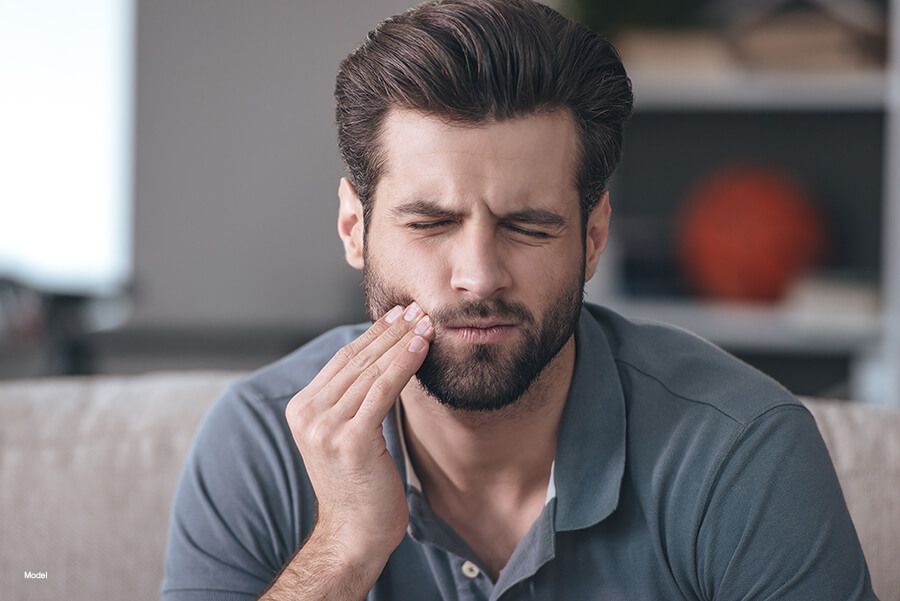
Porcelain veneers are one of the most effective cosmetic dentistry treatments for improving the appearance of chipped, stained, worn, or uneven teeth. Although many patients are excited to see their new smile, it’s also common to wonder what recovery will feel like afterward. If you’re asking yourself, “Is it normal to have pain after getting porcelain veneers?” the short answer is yes—but any discomfort is usually mild and temporary.
It’s understandable to feel concerned if you notice sensitivity after your appointment, especially if you’ve invested in transforming your smile. Fortunately, temporary discomfort is a common part of the adjustment process and usually isn’t a sign that anything is wrong. Knowing what sensations are considered normal—and when you should contact your dentist—can help you recover with greater confidence.
Understanding what to expect after treatment can help you feel more confident during your recovery and recognize when it’s time to contact your dentist.
Is It Normal to Feel Pain After Porcelain Veneers?
Some patients experience mild tooth sensitivity or minor gum tenderness after receiving porcelain veneers. This is a normal part of the adjustment process, particularly if a small amount of enamel was removed to prepare the teeth for veneer placement.
Most people describe the sensation as temporary sensitivity rather than significant pain. Your teeth may be more sensitive to hot or cold foods and beverages for a few days, and your gums may feel slightly irritated as they recover. These symptoms typically improve on their own as your mouth adjusts to your new veneers.
Every patient responds differently to treatment. Some people experience little to no sensitivity at all, while others notice temporary discomfort for several days. Factors such as the condition of your teeth before treatment, the number of veneers placed, and your individual sensitivity can all influence what your recovery feels like. If you have any concerns about your symptoms, don’t hesitate to contact your dentist for guidance.
Many patients are able to return to work, school, and their normal daily activities immediately after their appointment.
What Causes Sensitivity After Veneers?
Several factors can contribute to temporary discomfort after porcelain veneer treatment.
Tooth Preparation
Depending on your treatment plan, your dentist may remove a thin layer of enamel so the veneers fit naturally and comfortably. Because enamel helps protect the underlying tooth, removing a small amount may temporarily increase sensitivity as your teeth adapt.
Removing a small amount of enamel also allows your veneers to fit naturally without appearing bulky or feeling too thick. It creates the space needed for the veneers to blend seamlessly with your surrounding teeth and produce a comfortable, natural-looking result.
Bonding Process
Porcelain veneers are attached using a strong dental adhesive that creates a durable bond between the veneer and your natural tooth. Although the bond is secure immediately after placement, your teeth may take a short time to adjust to the new restorations.
You may also notice that your bite feels slightly different immediately after treatment because the shape and contours of your teeth have changed. This sensation is usually temporary and becomes less noticeable as your mouth adapts to your new veneers.
Gum Irritation
Your gums may become mildly irritated during the procedure as your dentist prepares your teeth and places the veneers. This tenderness is usually temporary and improves within a few days.
How Long Does Discomfort Last?
For most patients, any sensitivity begins to improve within a few days and continues to resolve over the following week or two. The exact timeline varies from person to person and depends on factors such as the number of veneers placed, the condition of your teeth before treatment, and your individual sensitivity.
As your mouth adjusts, eating, drinking, and brushing your teeth should become increasingly comfortable.
Patients who already had sensitive teeth before treatment may notice that recovery takes a little longer. Similarly, receiving multiple veneers during the same appointment may result in more noticeable temporary sensitivity than placing just one or two veneers.
As long as your symptoms continue to improve over time, they are generally considered a normal part of the adjustment process. However, if your discomfort becomes more severe instead of gradually improving, it’s important to contact your dentist so the cause can be evaluated.
How Can I Minimize Sensitivity?
In addition to following your dentist’s instructions, making a few temporary adjustments to your daily routine can help minimize sensitivity while your teeth recover. Most patients only need these precautions for a short time before they are able to return to their normal routines.
While temporary discomfort often resolves on its own, the following tips may help you stay more comfortable during recovery:
- Brush gently with a soft-bristled toothbrush.
- Use toothpaste formulated for sensitive teeth if recommended by your dentist.
- Avoid extremely hot or cold foods and beverages until sensitivity improves.
- Continue brushing and flossing carefully to keep your teeth and gums healthy.
- Follow all post-treatment instructions provided by your dental team.
Maintaining good oral hygiene during recovery helps protect both your veneers and your natural teeth.
When Should I Call My Dentist?
Although mild sensitivity is expected, ongoing or worsening pain is not.
Contact your dentist if you experience:
- Severe or persistent tooth pain.
- Sensitivity that does not improve after a couple of weeks.
- Pain when biting or chewing.
- A veneer that feels loose or uneven.
- Significant swelling or signs of infection.
These symptoms do not necessarily indicate a serious problem, but they should be evaluated promptly. In some cases, a simple adjustment to your bite or veneer may be all that’s needed to improve your comfort.
Even if you’re unsure whether your symptoms are normal, it’s always appropriate to contact your dental office. Your dentist can evaluate your concerns, answer your questions, and determine whether what you’re experiencing is part of the expected adjustment process or whether a simple correction is needed.
Will My Veneers Feel Natural?
Yes. Once your teeth and gums have fully adjusted, porcelain veneers should feel much like your natural teeth. Most patients quickly become accustomed to them and no longer notice they are wearing veneers during everyday activities such as eating, speaking, and smiling.
It’s common to be aware of your new veneers during the first few days simply because your teeth feel different than they did before treatment. As your tongue, bite, and facial muscles become accustomed to their new shape, that awareness gradually fades. Before long, most patients stop thinking about their veneers altogether and simply enjoy the confidence of their new smile.
The goal of porcelain veneers is not only to create a beautiful smile but also to provide natural-looking, comfortable results that fit seamlessly with your bite.
Learn More About Porcelain Veneers in Las Cruces, NM
Whether you’re considering porcelain veneers or you’ve recently completed treatment, the team at Gentle Care Dentistry is committed to helping you achieve beautiful, comfortable, and long-lasting results.
If you have questions about recovery or would like to learn whether porcelain veneers are right for you, our experienced dentists are here to help. We’ll explain every step of the process, answer your questions, and ensure you feel comfortable before, during, and after treatment.
To schedule a consultation and learn more about porcelain veneers, call our office today at (575) 524-3722 or complete our online contact form.